Book flipping—buying undervalued books and reselling them for profit—can be a rewarding side hustle or even a full-time venture. But the most common question beginners ask is: “Where do I actually find books worth flipping?” The good news? Opportunities are everywhere once you know where to look.
The Best Places to Hunt for Books
Yard Sales and Estate Sales
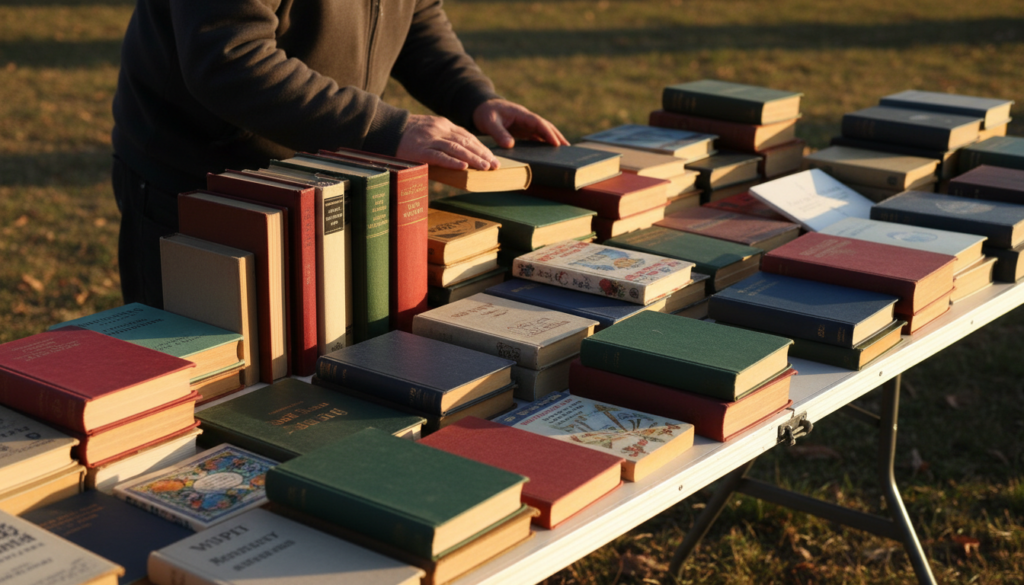
These are goldmines for book flippers. Sellers often price books to move quickly. Think $1 per book or “fill a bag for $5.” Estate sales, especially, can yield incredible finds when families are clearing out a lifetime collection. Arrive early for the best selection, but also try coming back near closing time when sellers are eager to negotiate.
Library Book Sales
Libraries regularly purge their collections, and many host annual or semi-annual book sales. Prices are typically very reasonable ($1-3 per book), and you’re supporting a good cause. Some libraries even have ongoing sales in dedicated rooms. Pro tip: many offer “bag day” sales on the last day where you can fill a bag for a flat fee.
Thrift Stores
Goodwill, Salvation Army, and local thrift shops (charity shops in the UK) constantly rotate inventory. The key is visiting regularly. What’s there one week will be completely different the next. Books are usually priced uniformly ($2-4), regardless of actual value. That $3 Goodwill hardcover could be worth $50 or more.
Used Bookstores
While bookstore owners are generally knowledgeable, large stores with thousands of titles can’t possibly research every book. Valuable first editions sometimes end up on discount tables or in general stock at standard prices. Build relationships with store owners—they might give you first dibs on new arrivals.
Online: Craigslist and Facebook Marketplace
People frequently list “box of books” or entire collections when moving or decluttering. These bulk lots can be hit-or-miss, but occasionally you’ll find someone selling grandma’s collection without realizing what’s there. Always ask for photos of specific titles before committing to a purchase.
Essential Book Flipping Tips
Start Small
Don’t invest heavily until you understand the market. Buy a few books, learn the selling process, and build your knowledge gradually. It’s better to start with $20 purchases than $200 ones while you’re learning.
Condition is Everything
A first edition in poor condition might be worth less than a later printing in excellent shape. Water damage, torn pages, writing or highlighting, missing dust jackets, and musty odors all drastically reduce value. Inspect every book carefully before buying. Look for:
- Clean, tight bindings
- No writing or markings inside
- Intact dust jackets (for modern books)
- No water stains or warping
- Minimal shelf wear
Know What You’re Looking At
Learn to quickly identify first editions, signed copies, and desirable titles. Check copyright pages for number lines and “First Edition” statements. Book & Paper Analyst makes this easy. Just snap a photo of the copyright page and get instant analysis to help determine if you’re holding something valuable. It’s especially useful when you’re sorting through boxes of books at sales.
Research Before You Buy
Use your phone to quickly check sold listings on eBay or prices on book-selling platforms. Don’t just look at asking prices—check what books actually sell for. A book listed at $100 that never sells isn’t worth $100.
Specialize (Eventually)
While it’s fine to start broad, successful flippers often develop expertise in specific areas, such as vintage children’s books, sci-fi first editions, signed copies, etc. Specialization helps you spot deals faster and build a reputation with buyers.
The Bottom Line
Book flipping success comes from consistent hunting, careful evaluation, and patience. Not every book will be a winner, but with practice, you’ll develop an eye for spotting valuable titles. Start local, inspect carefully, and use technology to your advantage. Happy hunting!
Leave a Reply